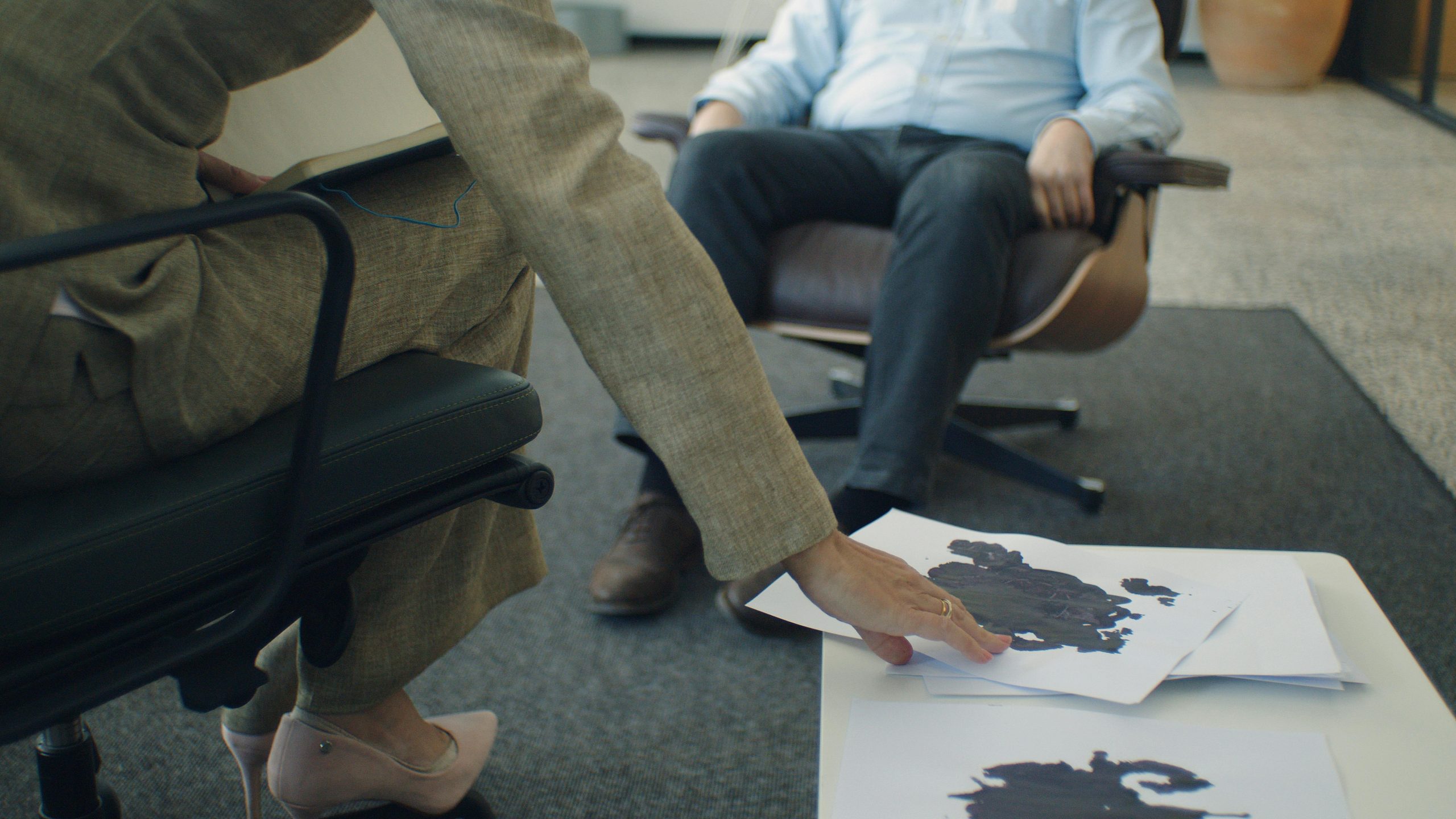
Start with a simple definition:
Psychology is basically the study of how people think, feel, and behave. Imagine it as a toolbox that helps us understand why we do what we do, and how we can change or cope with different feelings and actions. Today, we dive into “Understanding Psychology Basics: Exploring the Intricacies of Mental Processes” with this easy guide meant just for you!
When Mind Meets Behavior
Understanding the basics of psychology is a bit like being a detective. You need to look at clues (what people do and say) to figure out the mystery (why they do it). Psychology helps us grasp how our brain works, shaping our thoughts, feelings, and actions.
Why Feelings Feel the Way They Do
Have you ever wondered why certain things make you happy, sad, or angry? Psychology tries to answer these kinds of questions. It looks at emotions as signals. Like a green traffic light tells cars to go, happiness might tell us we’re doing something right. By diving into psychology, we learn to better understand these signals and use them to our advantage.
The Game of Memories
Think about your favorite vacation. Got it? That memory, which includes what you saw, heard, and felt, didn’t just pop up on its own; your brain pulled it from its memory storage. Understanding psychology basics teaches us how these memories impact our mood and decisions. For example, good memories might make us optimistic, while bad ones can make us cautious.
Learning and Changing
Learning is a major part of psychology. It’s not just about memorizing facts for a test; it’s about how we pick up new habits or change old ones. For instance, if you’ve ever trained a pet or learned to ride a bike, you have used principles of psychology without even realizing it. We learn what works and what doesn’t, and adjust our actions accordingly.
Peer Pressure and You
Peer pressure is something we’ve all faced. Psychology helps us figure out why we often go along with what others are doing. It’s tied to our need to fit in and be liked. By understanding these mental processes, we can become more confident in making our own choices, rather than just following the crowd.
FAQ Section:
Q: What is psychology?
A: Psychology is the study of mind and behavior. It helps us understand why people think, feel, and act the way they do.
Q: Why is it important to learn about psychology?
A: Learning about psychology can help you understand yourself and others better, improve your communication, and help you make better choices in your life.
Q: Can psychology help with problems like stress or sadness?
A: Yes, psychology offers many tools and strategies that can help people manage stress, cope with sadness, and improve their overall well-being.
Conclusion:
In wrapping up our journey of “Understanding Psychology Basics: Exploring the Intricacies of Mental Processes,” remember that psychology isn’t just for experts or therapists. It’s useful for everyone. It helps us navigate our everyday life, understand those around us, and assist us in managing our emotions and actions better. So next time you feel puzzled about why you feel or act a certain way, remember that psychology has some answers. Keep exploring, and you’ll understand not just yourself but also the world around you a bit better!