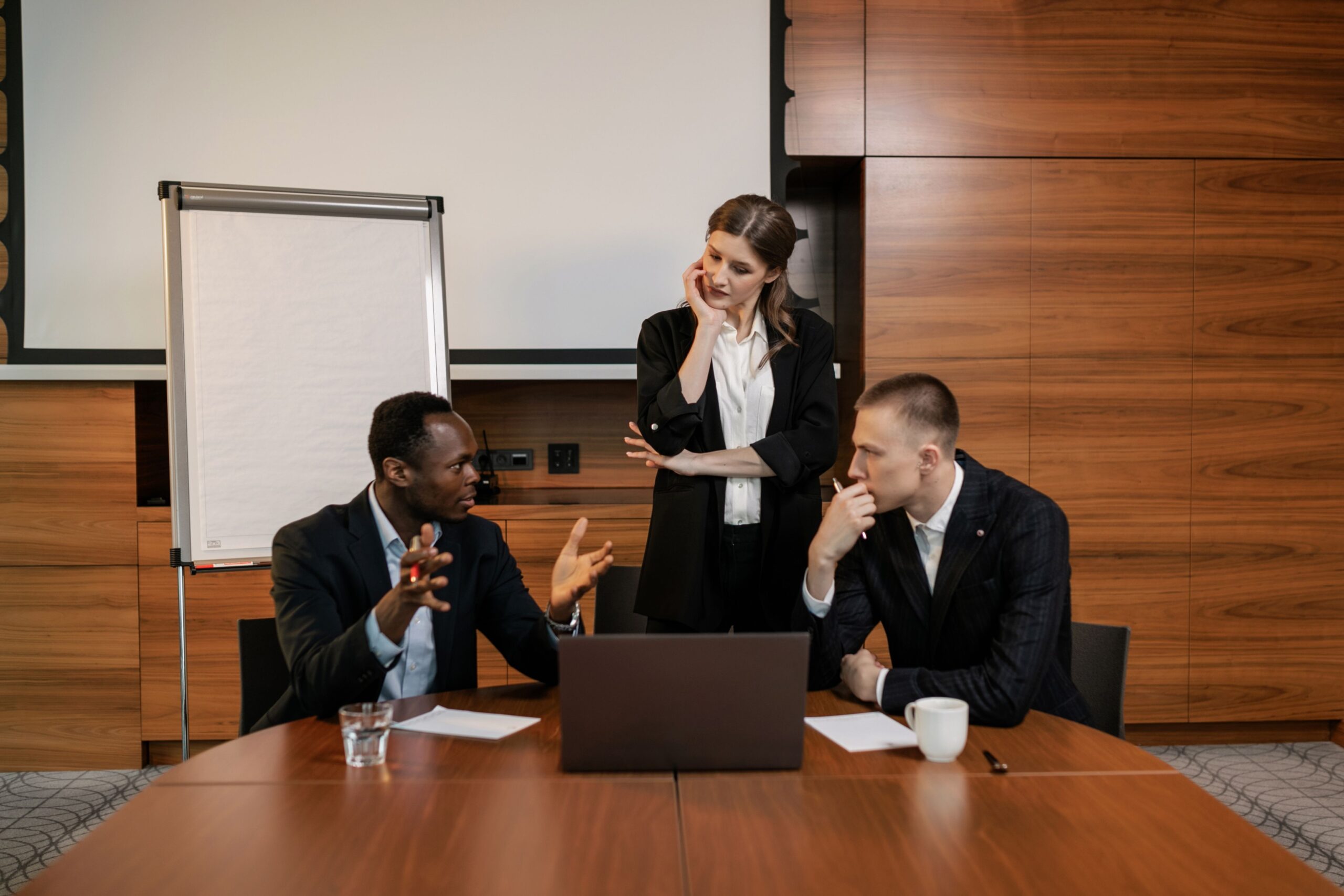
Unlocking the Secrets of Nonverbal Communication Psychology: Enhance Your Interpersonal Skills
Have you ever wondered why some people can make friends so easily or always know the right thing to say? A big secret to their success might be their ability to understand nonverbal communication. Let’s dive into what nonverbal communication is and how mastering it can make you better at talking to others and making friends.
What is Nonverbal Communication?
Nonverbal communication includes all the ways people share information without using words. This might be through facial expressions, gestures, posture, or even the way someone breathes. Imagine you’re telling a joke and a friend rolls their eyes. They didn’t say anything, but you get the feeling they didn’t find it funny, right? That eye roll is a type of nonverbal communication!
Why is Nonverbal Communication Important?
Understanding nonverbal cues can be super helpful in everyday life. It can help you read the room, make others feel more comfortable, and improve friendships. It’s like having a secret tool that helps you figure out what others are thinking and feeling without them having to tell you.
How Can You Get Better at Understanding Nonverbal Cues?
Here’s how you can start unlocking the secrets of nonverbal communication psychology to enhance your interpersonal skills:
-
Observe Carefully: Pay attention to people’s facial expressions, gestures, and posture. Notice when their expressions change and what might be causing it.
-
Practice Reading Context: Nonverbal cues can mean different things in different situations. A thumbs-up during a sports game might show excitement, while at a school assembly, it might be a sign of agreement or support.
-
Mimic Positive Body Language: If you notice someone standing with an open posture and smiling, they’re likely feeling friendly. Try mirroring their stance and smile back. It can make conversations flow better and help people feel more connected.
-
Ask for Feedback: Sometimes, it’s useful to ask friends or family if your nonverbal signals are coming across the way you intend them to. They might notice things you’re doing without realizing!
By boosting your skills in reading and using body language, facial expressions, and other silent cues, you’re not just guessing how someone feels — you’re actually getting a clearer picture of what’s going on with them.
Quick Tips to Enhance Your Skills:
- Smile: It’s simple but powerful. Smiling can make you seem more approachable and friendly.
- Make Eye Contact: This shows you’re paying attention and value what the other person is saying.
- Keep Your Posture Open: Avoid crossing your arms or turning away from the person you’re talking to. Open posture invites conversation.
FAQ Section
Q1. Can you read someone’s mind by understanding their nonverbal communication?
No, nonverbal communication isn’t mind reading. Instead, it helps you make educated guesses about someone’s feelings or thoughts based on their physical behavior.
Q2. Are nonverbal signals the same in every culture?
Not exactly. Different cultures might have unique nonverbal cues. For example, in some cultures, making direct eye contact is considered rude, while in others, it’s a sign of respect. So, it’s important to consider cultural differences when interpreting body language.
Q3. How fast can I improve my nonverbal communication skills?
Improving at nonverbal communication takes practice. The more you pay attention and practice, the better you will get. Start by observing conversations around you and your own interactions.
Conclusion
Unlocking the secrets of nonverbal communication psychology to enhance your interpersonal skills isn’t just about learning tricks to read people — it’s about building better relationships, feeling more connected, and navigating social situations more effectively. Whether you’re hanging out with friends, talking to teachers, or meeting new people, these skills can help you communicate more effectively and show empathy towards others. Remember, good communication is key to building strong relationships, and learning nonverbal cues is a huge part of it. Start observing, practicing, and see how your interactions evolve!